Why 2026 Could Become the Most Expensive Year in U.S. Healthcare
Healthcare in the United States is becoming more expensive- and 2026 may set a new record. As costs increase, Americans are questioning whether the traditional healthcare model still makes sense. For many, the pendulum is shifting to Direct Primary Care for a simpler, more transparent ways to access healthcare.
Vitamin D: The Not-So-Optional Hormone Your Body Depends On
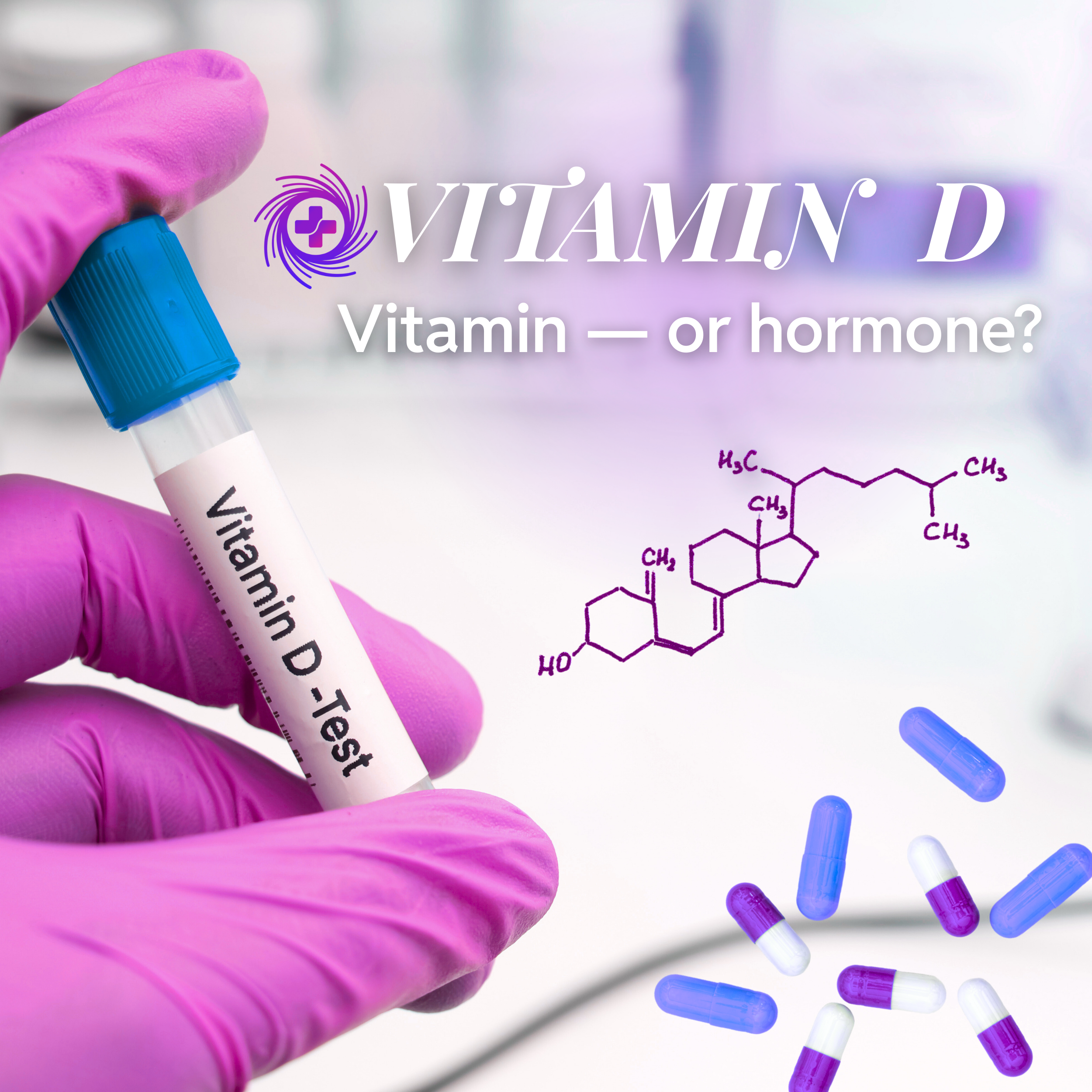
Vitamin D: The Not-So-Optional Hormone Your Body Depends On
Vitamin D is often called a vitamin — but biologically, it behaves more like a hormone. This fat-soluble prohormone plays a critical role in bone health, immune regulation, muscle function, inflammation control, and cellular health. And yet, deficiency is incredibly common.
Vitamin D comes from three primary sources:
• Sunlight exposure (UV-B rays)
• Certain foods
• Supplementation
For many adults, sunlight and diet alone simply aren’t enough to maintain optimal levels.

…
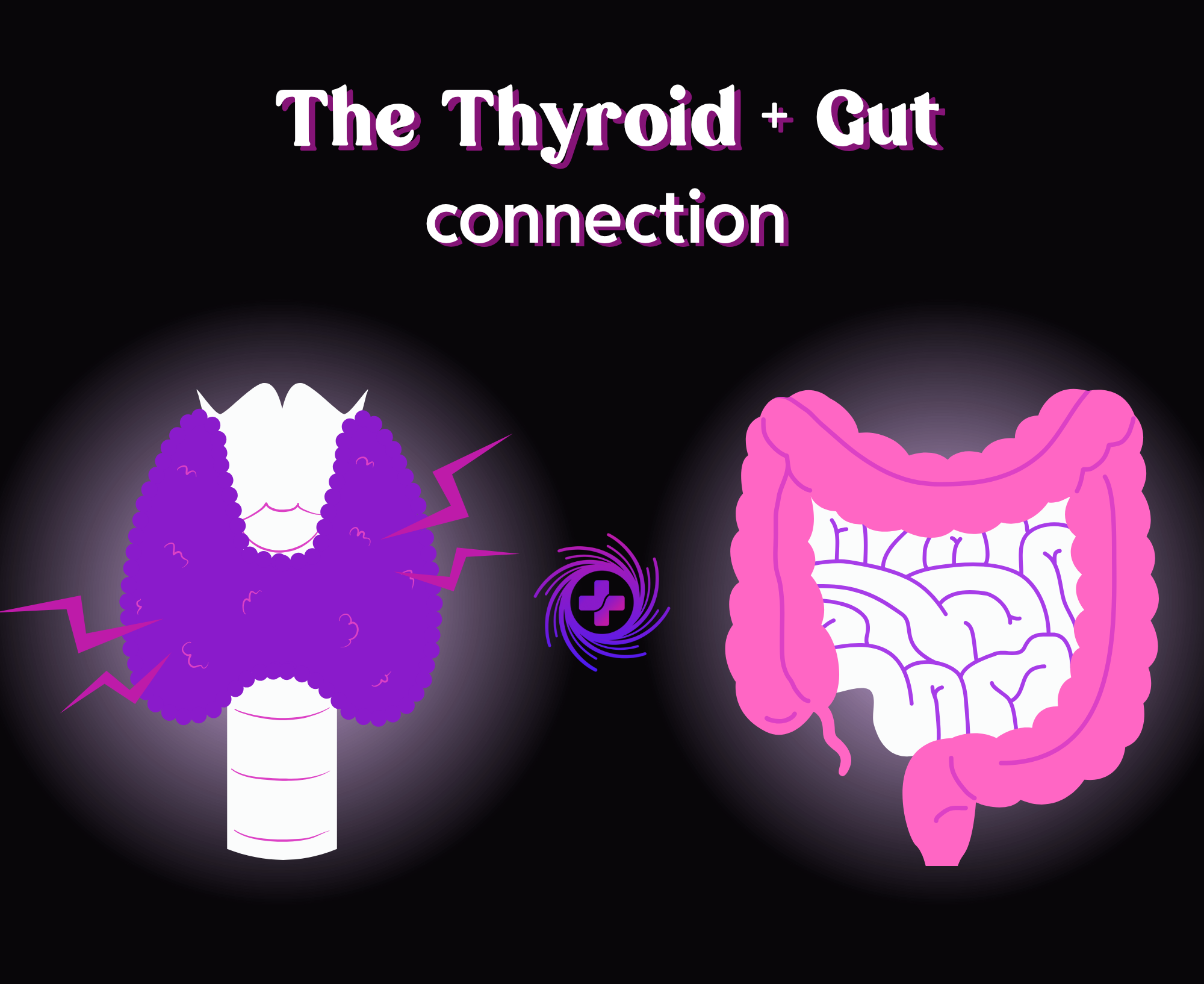
At Revolution Wellness, we know that your body systems don’t work in isolation— everything is connected! One of the most fascinating and important relationships is between your thyroid and your gut. These two systems communicate constantly, influencing everything from energy and metabolism to mood and immunity.
Let’s explore how they work together— and what happens when that balance is disrupted.
Understanding the Gut
When we talk about the gut, we’re referring to the entire gastrointestinal (GI) tract— your mouth, stomach, intestines, and everything in between. The gut’s main jobs are to:
Break down and absorb nutrients from food
Act as a barrier to keep harmful bacteria and toxins out
Support your immune system and hormone production
Did you know that about 80% of your immune system lives in your gut? Or that the majority of your body’s serotonin (the “feel-good” neurotransmitter) is produced there? A healthy gut means a healthy host— but when your gut is inflamed, leaky, or imbalanced, it can trigger a cascade of issues that affect your hormones, including your thyroid.
Understanding the Thyroid
The thyroid is a small, butterfly-shaped gland in your neck that plays a big role in regulating your metabolism— essentially, how your body produces energy. It also influences:
Heart rate and breathing
Body temperature and digestion
Brain development and mental clarity
Fertility, skin, and bone health
When thyroid function slows down (hypothyroidism) or speeds up (hyperthyroidism), it can affect nearly every system in your body—including your gut.
How the Gut Impacts the Thyroid
The gut and thyroid have a two-way relationship. Just as thyroid hormones affect gut motility (the speed of digestion), gut health directly affects how well the thyroid functions. Here’s how:
Nutrient absorption: The gut absorbs key minerals like iodine, selenium, zinc, and iron— all essential for thyroid hormone production.
Hormone conversion: About 20% of inactive thyroid hormone (T4) is converted into its active form (T3) in the gut by healthy bacteria.
Immune regulation: Since the gut is responsible for a large portion of your immune system, chronic inflammation or “leaky gut” can trigger autoimmune conditions like Hashimoto’s thyroiditis or Graves’ disease.
When the intestinal barrier becomes too permeable, particles from the gut can leak into the bloodstream. This can trigger the immune system to produce antibodies— not just against those particles, but sometimes mistakenly against the thyroid itself.
The Role of Nutrients and the Microbiome
Certain gut microbes help absorb and activate the nutrients your thyroid depends on. For example:
Iodine is critical for thyroid hormone production. It’s absorbed in the gut, stored in the thyroid, and deficiency can lead to goiter or thyroid nodules. Too much iodine, on the other hand, may contribute to some types of thyroid cancer.
Selenium, zinc, and iron are essential for converting and regulating thyroid hormones.
Research shows that individuals with thyroid disorders often have lower levels of healthy gut bacteria, further disrupting nutrient absorption and hormone balance.
Supporting the Thyroid–Gut Axis
Healing begins with restoring balance. Here’s where to start:
Adopt an anti-inflammatory diet. Focus on whole foods, lean proteins, colorful vegetables, fiber, and healthy fats. Limit processed foods, sugar, and alcohol.
Support gut health. Probiotics and fermented foods can help rebuild beneficial bacteria.
Correct nutrient deficiencies. Work with your provider to assess and optimize levels of zinc, selenium, iron, and vitamin D.
Identify and eliminate food sensitivities. Common triggers include gluten, dairy, and artificial additives.
Manage stress. Chronic stress affects both gut permeability and thyroid hormones.
Be mindful with medications. Overuse of antibiotics or acid reducers can disrupt gut balance.
The Takeaway
Your thyroid and gut are in constant conversation. When one is out of sync, the other often follows. By supporting your gut health through smart nutrition, stress management, and targeted supplementation and prescription management, you can help restore balance to your thyroid and overall hormone health.
At Revolution Wellness, we take a whole-body approach to your health and wellness— because healing isn’t just about treating symptoms; it’s about understanding the systems that work together to help you feel your best.